Close Menu
    What's Hot

    Multiple People Injured in Cluster Bomb Attacks in Tel Aviv: Israeli Emergency Services

    March 15, 2026

    Reports of a Missile Attack on the U.S. Embassy in Baghdad

    March 14, 2026

    Iran totally defeated, wants deal: Trump

    March 14, 2026
    Facebook X (Twitter) Instagram
    Thursday, May 28
    Facebook X (Twitter) YouTube
    GirdopeshGirdopesh
    Trending
    • Multiple People Injured in Cluster Bomb Attacks in Tel Aviv: Israeli Emergency Services
    • Reports of a Missile Attack on the U.S. Embassy in Baghdad
    • Iran totally defeated, wants deal: Trump
    • Iran Named Mojtaba Khamenei New Supreme Leader
    • Environmental Impacts of the Gulf Wars: From Saddam’s Invasion of Kuwait to the Iran–Israel Conflict
    • Story Of A Dog Family | By Iqra Afzal
    • Jamshed Dasti disqualified over fake academic credentials
    • Celebrations of the Shah of Iran in Multan and Echoes of Revolution : By Dr Anwaar Ahmad
    • Home
    • Latest

      Multiple People Injured in Cluster Bomb Attacks in Tel Aviv: Israeli Emergency Services

      March 15, 2026

      Reports of a Missile Attack on the U.S. Embassy in Baghdad

      March 14, 2026

      Story Of A Dog Family | By Iqra Afzal

      February 11, 2026

      Jamshed Dasti disqualified over fake academic credentials

      July 15, 2025

      Celebrations of the Shah of Iran in Multan and Echoes of Revolution : By Dr Anwaar Ahmad

      July 15, 2025
    • World
    • National
    • Commerce
    • Showbiz
    • Women
    • Health
    • Sports

      Rizwan, Shakeel Shine; Nauman Ali, Sajid Spins Web Around West Indies

      January 18, 2025

      Pakistan vs West Indies 1st Test: Day 1 Pakistan in Trouble After Top-Order Collapse

      January 17, 2025

      Pakistan vs West Indies: First Test Match Begins January 19 in Multan

      January 15, 2025

      Washington’s 7-Fer Weaves Web Around New Zealand, India Lose Rohit Early

      October 24, 2024

      Pakistan Dominates with Spin as England Fold for 267

      October 24, 2024
    • اردو
    GirdopeshGirdopesh
    Home » Environmental Impacts of the Gulf Wars: From Saddam’s Invasion of Kuwait to the Iran–Israel Conflict
    Analysis Health World

    Environmental Impacts of the Gulf Wars: From Saddam’s Invasion of Kuwait to the Iran–Israel Conflict

    By GirdopeshMarch 8, 20264 Mins Read18 Views
    Facebook Twitter Pinterest Reddit Telegram LinkedIn Tumblr VKontakte WhatsApp Email
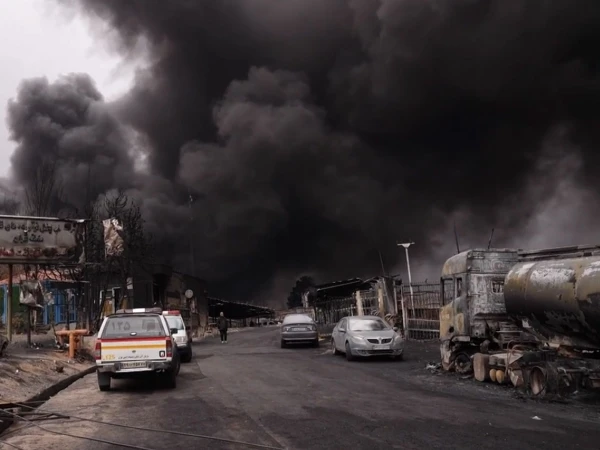
    iran in smoke
    Share
    Facebook Twitter Reddit Pinterest Email
    Tehran: The wars in the Gulf region have had severe environmental consequences. The Gulf War is considered one of the largest environmental disasters of modern history. At the end of the war, the forces of Saddam Hussein set fire to about 605 oil wells in Kuwait. These fires burned an estimated 5 to 6 million barrels of oil per day, and experts believe that nearly one billion barrels of oil were ultimately lost. As a result, more than 100 million tons of carbon dioxide and other toxic gases were released into the atmosphere. Massive smoke clouds spread over nearly 1,000 kilometers, reducing sunlight across the Gulf region and causing temporary changes in temperature. At the same time, approximately 8 to 10 million barrels of crude oil spilled into the sea, making it one of the largest oil spill disasters in history in the Persian Gulf and causing the death of thousands of marine animals.


    Similarly, fires and industrial accidents at major oil refineries in Tehran have also produced significant environmental impacts. During one major refinery incident, thousands of tons of smoke and sulfur dioxide were estimated to have been released into the atmosphere daily. Environmental experts report that during such incidents, air pollution levels can rise three to five times above normal levels. Tehran, already a heavily industrialized city, frequently records PM2.5 pollution levels several times higher than international standards, and refinery fires intensify this problem further. In addition, leaks of oil and chemical substances contaminate soil and groundwater, creating long-term risks for agriculture and human health. These statistics demonstrate that warfare and accidents in the energy sector not only trigger political and economic crises but also severely damage entire ecosystems.

    The Gulf War and subsequent conflicts in Iraq have left lasting environmental scars across the Middle East. The Gulf War began when Iraq, under Saddam Hussein, invaded Kuwait on 2 August 1990. In response, a U.S.-led international coalition launched military operations in January 1991. As Iraqi forces retreated, they ignited hundreds of oil wells, resulting in the massive fires that released over 100 million tons of greenhouse gases and spread smoke clouds across vast areas of the region. In addition, the oil spill of 8–10 million barrels caused extensive damage to the ecological system of the Persian Gulf. The smoke and pollutants affected air quality and contributed to temporary climatic disturbances across Gulf countries.

    Later, the Iraq War and continuing geopolitical tensions kept oil facilities and industrial infrastructure under constant threat. In recent years, attacks on energy installations and military strikes in the region have triggered fires in refineries and oil depots around Tehran, further increasing air pollution. During such incidents, emissions of gases such as sulfur dioxide and nitrogen oxides have been recorded at three to five times normal levels. Drone strikes and military operations damaging oil infrastructure have again highlighted how warfare threatens not only political stability but also the environmental sustainability of the entire region.

    Environmental Effects of the Gulf War

    • Millions of tons of smoke and carbon were released into the atmosphere, sharply increasing air pollution.

    • Dense oil smoke created cloud-like layers that reduced sunlight and triggered localized climatic changes.

    • Massive oil spills severely damaged marine ecosystems in the Persian Gulf.

    • Oil seeped into soil, damaging agricultural land and forming large “oil lakes” in desert areas.

    Effects of Fires in Tehran’s Refineries

    • Refinery fires release toxic gases such as sulfur dioxide, nitrogen oxides, and carbon monoxide.

    • These emissions contribute to heavy smog, worsening Tehran’s already polluted air.

    • Health impacts include respiratory diseases, eye irritation, and increased cardiovascular risks.

    • Oil residues contaminate soil and groundwater, leading to long-term environmental pollution.

    Overall Environmental Consequences

    The Gulf War and refinery accidents clearly demonstrate that warfare and the global energy industry can pose serious threats to the environment. Following these events, international environmental experts and organizations such as the United Nations Environment Programme intensified research on the ecological impacts of armed conflicts.


    #health #iran #israel environment gulf war
    Share. Facebook Twitter Pinterest LinkedIn Reddit Email
    Previous ArticleStory Of A Dog Family | By Iqra Afzal
    Next Article Iran Named Mojtaba Khamenei New Supreme Leader

    Related Posts

    Multiple People Injured in Cluster Bomb Attacks in Tel Aviv: Israeli Emergency Services

    March 15, 2026

    Reports of a Missile Attack on the U.S. Embassy in Baghdad

    March 14, 2026

    Iran totally defeated, wants deal: Trump

    March 14, 2026

    Iran Named Mojtaba Khamenei New Supreme Leader

    March 9, 2026
    Add A Comment
    Leave A Reply Cancel Reply

    Top Posts

    26 Women Assistant CommisionersWorking In Sindh

    September 24, 2023

    The Puppets and the Puppeteers : By Faheem Aamer

    March 27, 2024

    Chandrashekhar Azad – The Revolutionary Icon : By Faheem Aamer

    April 5, 2024
    Girdopesh
    Facebook X (Twitter) YouTube
    • Home
    • Latest
    • Women
    • Sports
    © 2026 Girdopesh All rights reserved.

    Type above and press Enter to search. Press Esc to cancel.