
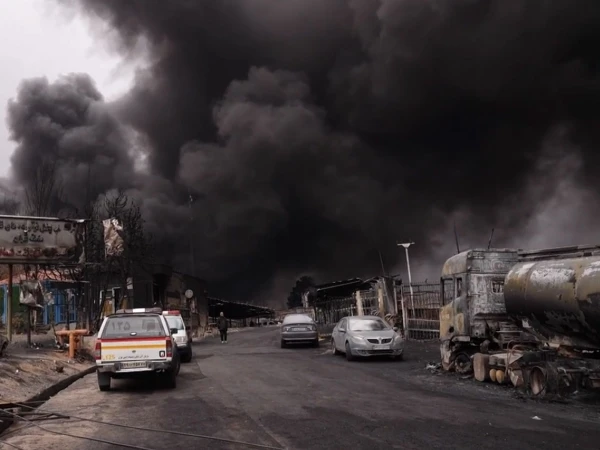
Similarly, fires and industrial accidents at major oil refineries in Tehran have also produced significant environmental impacts. During one major refinery incident, thousands of tons of smoke and sulfur dioxide were estimated to have been released into the atmosphere daily. Environmental experts report that during such incidents, air pollution levels can rise three to five times above normal levels. Tehran, already a heavily industrialized city, frequently records PM2.5 pollution levels several times higher than international standards, and refinery fires intensify this problem further. In addition, leaks of oil and chemical substances contaminate soil and groundwater, creating long-term risks for agriculture and human health. These statistics demonstrate that warfare and accidents in the energy sector not only trigger political and economic crises but also severely damage entire ecosystems.
The Gulf War and subsequent conflicts in Iraq have left lasting environmental scars across the Middle East. The Gulf War began when Iraq, under Saddam Hussein, invaded Kuwait on 2 August 1990. In response, a U.S.-led international coalition launched military operations in January 1991. As Iraqi forces retreated, they ignited hundreds of oil wells, resulting in the massive fires that released over 100 million tons of greenhouse gases and spread smoke clouds across vast areas of the region. In addition, the oil spill of 8–10 million barrels caused extensive damage to the ecological system of the Persian Gulf. The smoke and pollutants affected air quality and contributed to temporary climatic disturbances across Gulf countries.
Later, the Iraq War and continuing geopolitical tensions kept oil facilities and industrial infrastructure under constant threat. In recent years, attacks on energy installations and military strikes in the region have triggered fires in refineries and oil depots around Tehran, further increasing air pollution. During such incidents, emissions of gases such as sulfur dioxide and nitrogen oxides have been recorded at three to five times normal levels. Drone strikes and military operations damaging oil infrastructure have again highlighted how warfare threatens not only political stability but also the environmental sustainability of the entire region.
Environmental Effects of the Gulf War
-
Millions of tons of smoke and carbon were released into the atmosphere, sharply increasing air pollution.
-
Dense oil smoke created cloud-like layers that reduced sunlight and triggered localized climatic changes.
-
Massive oil spills severely damaged marine ecosystems in the Persian Gulf.
-
Oil seeped into soil, damaging agricultural land and forming large “oil lakes” in desert areas.
Effects of Fires in Tehran’s Refineries
-
Refinery fires release toxic gases such as sulfur dioxide, nitrogen oxides, and carbon monoxide.
-
These emissions contribute to heavy smog, worsening Tehran’s already polluted air.
-
Health impacts include respiratory diseases, eye irritation, and increased cardiovascular risks.
-
Oil residues contaminate soil and groundwater, leading to long-term environmental pollution.
Overall Environmental Consequences
The Gulf War and refinery accidents clearly demonstrate that warfare and the global energy industry can pose serious threats to the environment. Following these events, international environmental experts and organizations such as the United Nations Environment Programme intensified research on the ecological impacts of armed conflicts.